Work
Systems built for other people, and still running. Each one leads with the decision that mattered rather than a list of features.
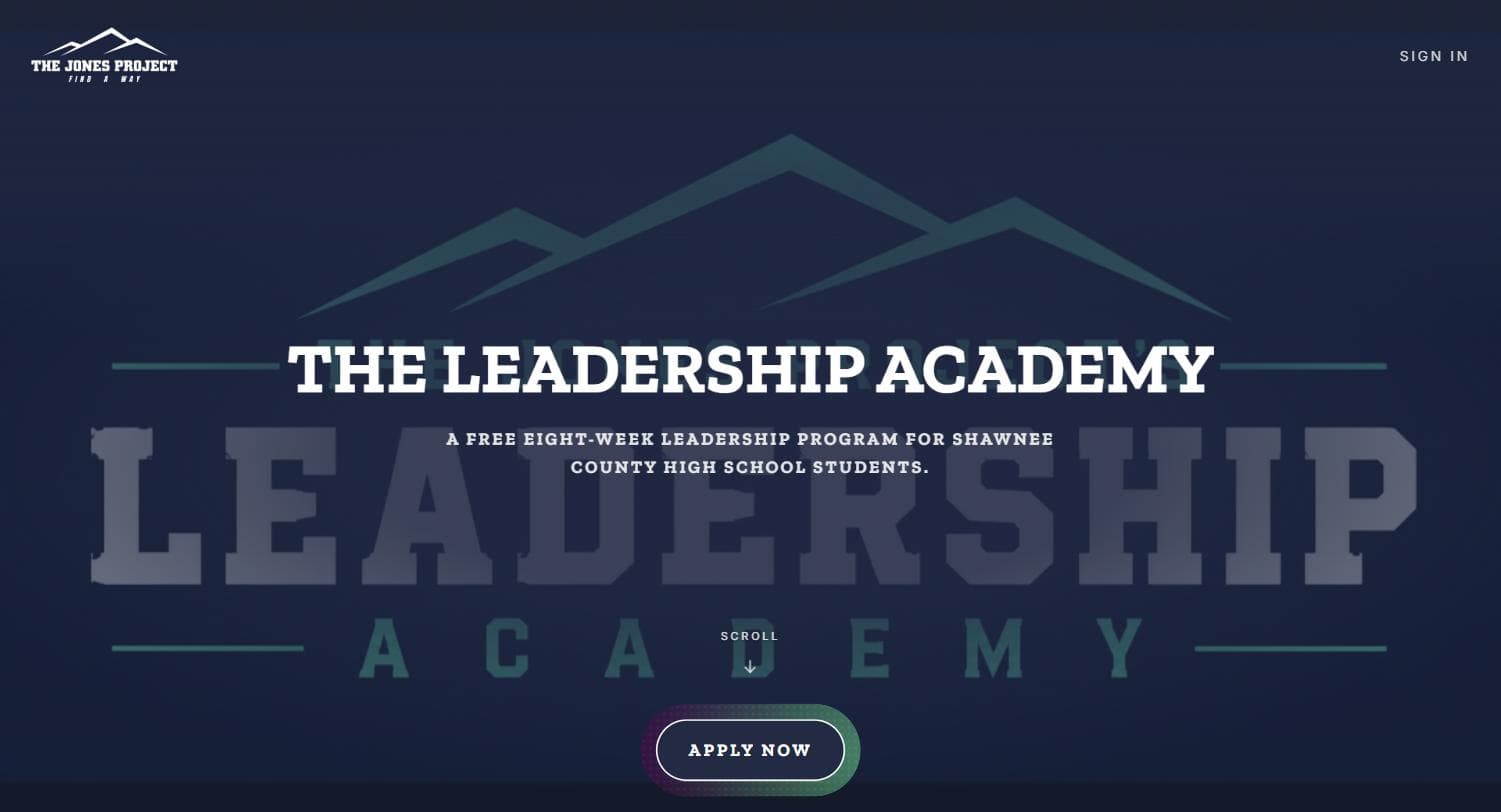
A program the staff run without calling me
A leadership program with nowhere to send anyone who asked about it, and an applicant history nobody could safely edit. Now applications arrive through the system, students have a portal, and staff change the site’s content themselves without calling me.
Read the case study
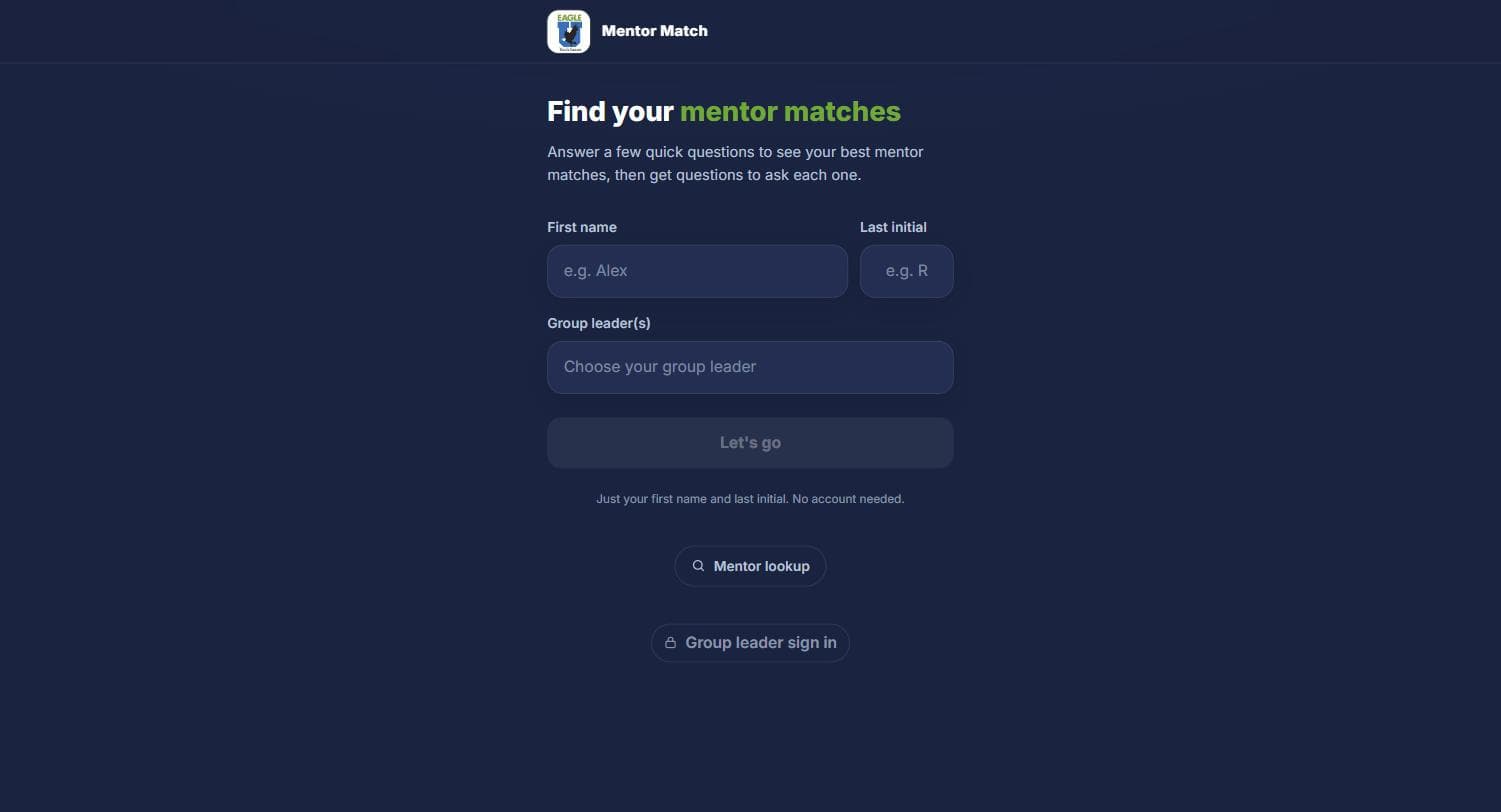
A hundred students matched to fifty mentors in one evening
Eagle U puts high-school students in a room with fifty adult mentors for short interviews. Deciding who should meet whom was happening on paper, in the room, under time pressure. Students now scan a QR code, answer a short questionnaire, and get a ranked shortlist with a reason for each match — plus interview questions written for that specific mentor.
Read the case study
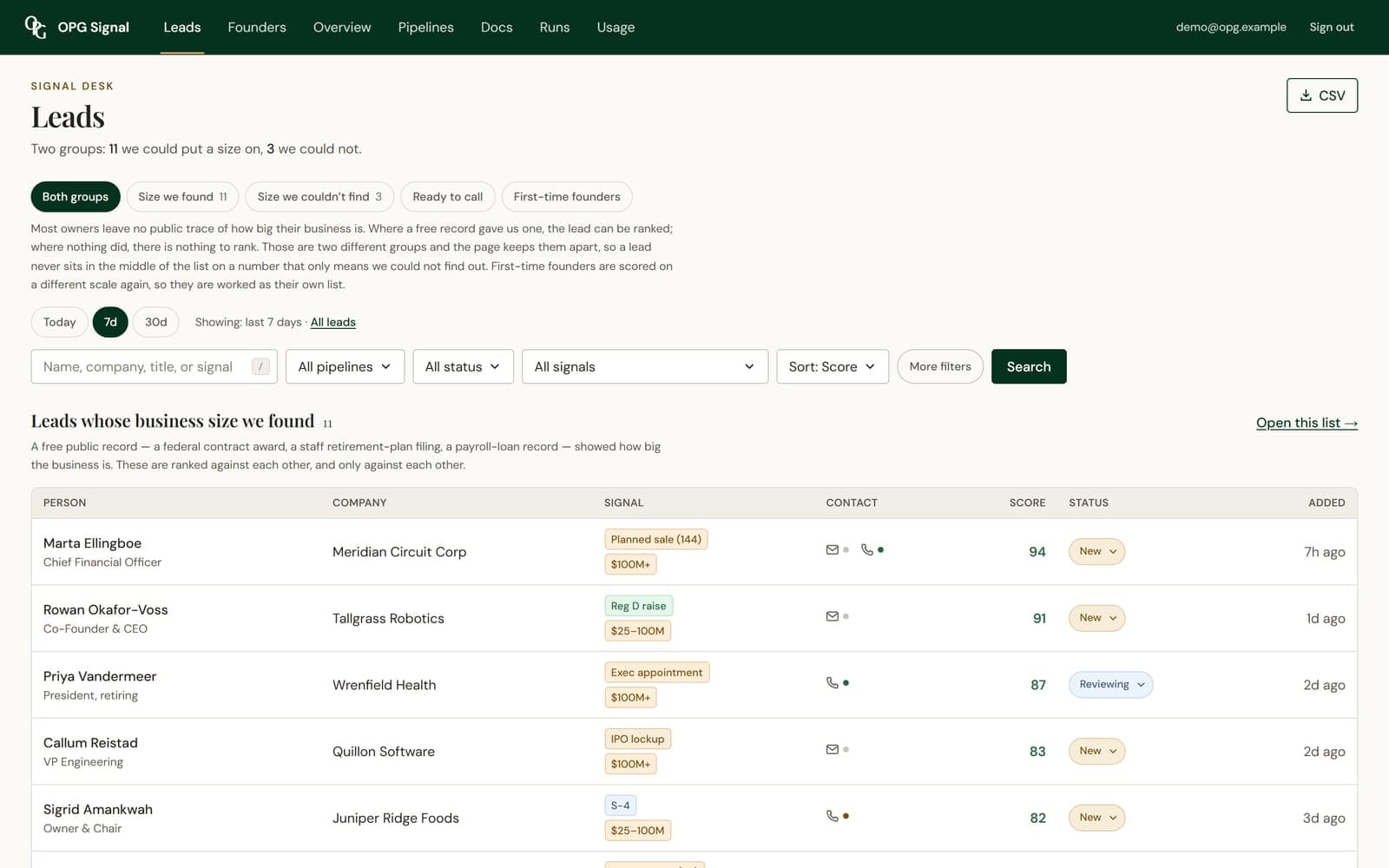
Turning public filings into a queue somebody can actually work
The information was all public and none of it was usable — scattered across federal filing systems in a dozen formats, none of which agree on how to spell a person’s name. It now arrives as a deduplicated, scored queue where every entry carries a link back to the filing it came from.
Read the case study